
Starting in 2026, all payments to freelancers and self-employed workers in Spain will be reported, including Bizum, Revolut, and other digital wallets. These Spain 2026 payment rules are designed to increase transparency and bring all business-related transactions under the same reporting framework.
.jpg "From 2026, all payments in Spain must be reported") Under the new framework, Spain payment regulations 2026 will remove the previous €3,000 reporting threshold. Bank transfers, card payments, and mobile wallet transactions will all be reported, regardless of amount. This marks a major shift in Spain digital payment regulations, especially for people working independently.
Under the new framework, Spain payment regulations 2026 will remove the previous €3,000 reporting threshold. Bank transfers, card payments, and mobile wallet transactions will all be reported, regardless of amount. This marks a major shift in Spain digital payment regulations, especially for people working independently.
What the New Rules Mean for Freelancers and Expats in Spain
The Spain new payment rules for self-employed individuals focus on visibility rather than payment method. Income received through digital platforms will be treated the same as traditional bank transfers under the updated payment rules for freelancers in Spain.
For many professionals, this will directly affect self-employed expats Spain payments, as monthly reporting makes income patterns easier to track. This change also highlights the growing importance of small business payment compliance in Spain, particularly for freelancers working with multiple clients or platforms.
From 2026 onward, freelancers payment rules in Spain 2026 will require more structured record-keeping. Invoices, clear transaction descriptions, and the separation of personal and business accounts will play a central role in Spain freelancer tax and payment compliance.
Many expats are asking, how will Spain’s 2026 payment rules affect self-employed expats? In simple terms, income earned in Spain will be harder to overlook, even when paid through digital wallets or card-based systems. These payment rules for expats in Spain apply equally to residents and, in certain cases, to non-residents earning income locally.
Spain to Launch National Offline Card Payment System by 2026
While tax reporting rules are tightening, payment system changes in Spain 2026 go beyond regulation. Spain is advancing plans for Spain's offline card payment system to ensure transactions can continue during internet outages, power failures, or cyberattacks.
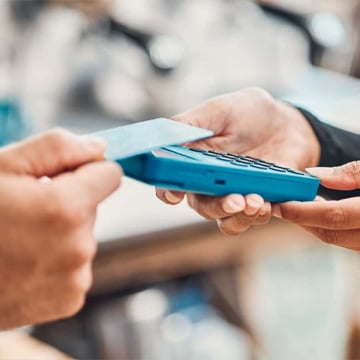 The proposal was put forward on November 19, 2025, by the National Payments Committee under the Bank of Spain, with the involvement of Visa, Mastercard, and major banking groups, and aims for nationwide use by 2029. This initiative supports card payments without internet Spain, allowing businesses to keep operating during disruptions.
These offline card payments in Spain form part of a broader Spain payment infrastructure update focused on resilience, continuity, and system reliability rather than tax enforcement.
How Offline Payments Will Work
The proposed Spain offline POS system will use offline card transaction technology Spain, with spending limits stored directly on the card chip. This allows Spain card payments without internet connection, as POS terminals can verify the card, check the PIN, and confirm funds without going online.
Transactions will be stored locally and synced once the connection returns, making Spain offline payments during internet outages more secure than older offline methods. To support this, merchants will need software updates and, in some cases, hardware compatibility upgrades to existing POS terminals. Spending caps will apply to limit risk, and emergency ATMs are also planned for key locations such as hospitals and transport hubs to ensure access to cash during major disruptions.
Spain’s Push for Offline Card Payments: What You Need to Know
For merchants, Spain's card payment requirements for businesses will gradually expand to include terminal updates and software compatibility. These changes are especially relevant for self-employed foreigners Spain payment rules and professionals managing cross-border income streams.
Understanding what are the new payment rules for autónomos in Spain will be essential for long-term expat business compliance Spain, particularly as monthly reporting becomes standard practice.
The Bigger Picture Behind Spain’s Payment Changes
 Taken together, Spain electronic payments regulation and infrastructure upgrades show a clear direction. The goal is not only to track income more accurately, but also to ensure payments continue under all conditions. For anyone asking what small businesses need to know about Spain payment rules 2026, the answer is simple: transparency, preparation, and compliance are becoming non-negotiable.
Following these changes early and applying tips for self-employed expats to stay compliant with Spain payment laws will help professionals adapt smoothly to a system that is both more visible and more resilient.
FAQs
Can card payments work without internet in Spain?
Yes. Spain is preparing Spain's offline card payment system to ensure transactions can continue during outages. With this setup, card payments without internet Spain will be possible in limited situations, allowing businesses to keep operating even when networks or power systems fail.
How offline card payments will work in Spain?
Offline transactions will rely on the Spain offline POS system, using offline card transaction technology Spain. Spending limits will be stored on the card chip, enabling Spain card payments without internet connection to be authorised locally. Payments will then be synced once connectivity is restored, making offline card payments in Spain more secure than older offline methods.
What small businesses need to know about Spain payment rules 2026?
For small businesses, small business payment compliance in Spain will become more important under Spain payment regulations 2026. All business-related payments, regardless of amount, will be reported, meaning accurate records, proper invoicing, and clear separation of business and personal transactions will be essential.
Do freelancers in Spain need to accept card payments in 2026?
No, freelancers are not required to accept card payments. However, under Spain new payment rules for self-employed, any income received through cards or digital platforms will fall under payment rules for freelancers in Spain. This will directly affect self-employed expats Spain payments, as all reported transactions must align with declared income.




 EUR
EUR


