
Losing a loved one is always difficult. When it happens in another country, the emotional strain is often compounded by unfamiliar legal procedures, language barriers, and cultural differences. For expats living in Spain, understanding how a funeral in Spain works and what steps to take can make a challenging time more manageable.
This guide explains what happens when someone dies in Spain, how much a funeral costs, how insurance works, and how to manage documentation such as a Spanish death certificate (certificado de defunción).
How Do Spanish Funerals Work?
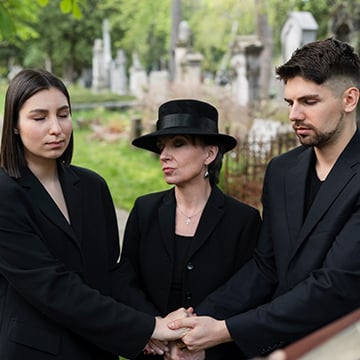 Spanish funerals are typically organized quickly and efficiently. Unlike in some Northern European countries or the United States, services are usually held within 24 to 72 hours after death. Many families gather at a tanatorio (funeral home), where relatives and friends pay their respects before burial or cremation.
The reason funerals take place so quickly is largely practical and cultural. Embalming is not commonly practiced in Spain, and due to climate conditions and tradition, burials or cremations are arranged without long delays. For expats, this shorter timeframe can feel sudden, especially if family members must travel internationally.
In general, the process is straightforward and professionally managed by funeral directors in Spain, who handle paperwork and coordinate with local authorities.
What Is the Procedure When Someone Dies in Spain?
Understanding the procedure when someone dies in Spain can provide reassurance during an emotional moment. When a death occurs, a doctor must first confirm it and issue a medical death certificate. If the death happens at home, emergency services (112) or a medical professional must be contacted immediately. In a hospital or care facility, staff usually manage the initial formalities.
After medical confirmation, a funeral home is contacted. Spanish funeral services are comprehensive, they typically collect the body, arrange transportation, assist with documentation, and register the death with the Civil Registry.
The death must be registered at the Registro Civil within 24 hours. Once registered, the official death certificate in Spain is issued. The funeral director often obtains this document on behalf of the family. The ceremony, burial, or cremation then follows shortly after registration.
How Long Between Death and Funeral in Spain?
 In most regions, the time between death and funeral is short, generally one to three days. This timeline may vary slightly depending on circumstances such as autopsies, judicial investigations, or religious requirements. However, compared to other countries, Spain’s funeral timeline is relatively fast. For international families, it is important to act quickly if repatriation or international travel is involved.
Average Funeral Costs in Spain: What to Expect
One of the most common questions expats ask is: how much does a funeral cost in Spain?
The average cost of a funeral in Spain typically ranges between €3,500 and €6,000. Prices vary depending on location, service level, and burial versus cremation. Major cities such as Madrid and Barcelona tend to be more expensive than smaller towns.
This cost generally includes the coffin, funeral home services, transportation, administrative paperwork, and either burial or cremation fees. Optional services such as floral arrangements, memorial cards, upgraded coffins, or religious ceremonies can increase the total cost significantly.
Cremation is often slightly less expensive than burial, though cemetery plot fees can also vary by municipality. Understanding these figures is important, particularly for expats without funeral insurance in Spain.
Another concept that may be unfamiliar to foreigners is the use of “nichos” (wall burial niches) and temporary burial arrangements. In Spain, instead of purchasing a grave permanently, families often lease a niche in a cemetery wall for a fixed period, commonly 5, 10, or 50 years. After this period, the lease can usually be renewed; otherwise, remains may be transferred to an ossuary. This system differs significantly from permanent burial plots common in many other countries, so expats should make sure they fully understand the terms, renewal conditions, and long-term implications when arranging burial in Spain.
Is Spanish Funeral Insurance (Seguro de Decesos) Worth It for Expats?
 Spain has a unique insurance product known as seguro de decesos, or funeral insurance. This type of policy does not simply provide a cash payout. Instead, it manages and organizes the entire funeral process, covering expenses directly and handling administrative procedures.
For many residents, especially long-term expats, funeral insurance in Spain offers peace of mind. Monthly premiums depend on age and coverage level, and some policies include repatriation of remains to the policyholder’s home country.
For foreign residents, this can be particularly valuable. Repatriation costs can be substantial if not covered by expat funeral insurance in Spain. Many providers also offer expat funeral plans in Spain tailored to international residents who may wish to be buried locally or returned to their country of origin.
Whether funeral plans for expats in Spain are worth it depends on individual circumstances. However, considering the average funeral cost, many residents prefer predictable monthly payments over a large unexpected expense.
Life Insurance in Spain: How to Claim Benefits
In addition to funeral-specific insurance, some residents hold life insurance in Spain or life insurance for expats in Spain.
Unlike funeral insurance, life insurance typically pays a lump sum to beneficiaries. After death, beneficiaries must contact the insurance provider and submit documentation, including the Spanish death certificate, proof of identity, and policy details.
Spain also maintains a central registry of life insurance policies, which helps families determine whether the deceased held a policy. This can prevent situations where coverage goes unclaimed. Life insurance can help cover funeral costs, outstanding debts, or provide financial stability to surviving family members.
How to Obtain a Spanish Death Certificate (Certificado de Defunción)
 The official certificado de defunción is required for nearly every legal and administrative process following a death. This includes closing bank accounts, claiming life insurance, transferring property, and managing inheritance matters.
After the death is registered at the Civil Registry, the death certificate in Spanish is issued. Families can request multiple copies, and an international version may also be available for use abroad.
If documents are required in another country, certified translations or apostilles may be necessary. Funeral directors usually assist with initial documentation, but legal professionals may be required for inheritance procedures.
Sending Ashes Abroad: Rules and Regulations
For families considering sending ashes abroad or sending human ashes abroad, additional procedures apply. Cremated remains can generally be transported internationally, but documentation is required. This usually includes the death certificate, cremation certificate, and authorization from the Civil Registry. Airlines may have specific requirements regarding urn packaging and transport.
Working with experienced funeral directors in Spain is strongly recommended when arranging international shipment, as regulations differ between countries.
Organ Donation in Spain is another important consideration for foreign residents. Spain has one of the highest organ donation rates in the world and operates under an “opt-out” system. This means that individuals are automatically considered organ donors unless they have explicitly stated otherwise. However, in practice, medical professionals still consult with the family before proceeding. For expats, understanding this system is vital, as it may differ significantly from the regulations in their home country. Those who wish to opt out should ensure their decision is formally registered and clearly communicated to their family members.
Choosing International Funeral Directors in Spain
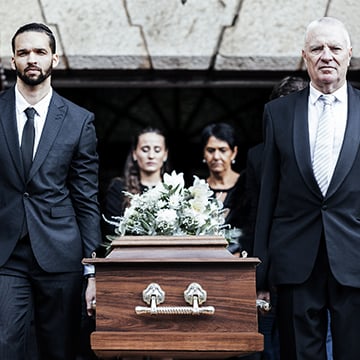 For expats, selecting the right funeral provider is particularly important. Some Spain funeral services specialize in assisting foreign residents and offer multilingual support. These companies are highly experienced in Repatriation of Remains, which involves transporting the deceased back to their home country for burial or cremation.
In the event of a death, it is important to notify your embassy or consulate as soon as possible. They can provide assistance with everything from funeral arrangements to notification of next of kin. Consulates also guide families through the legal and administrative requirements involved in international procedures.
The repatriation process typically includes obtaining a Spanish death certificate, securing embalming and sanitary preparation certificates, receiving authorization for international transport, and coordinating with airlines or specialized international funeral transport services. Funeral providers manage the required documentation for both Spanish authorities and the destination country.
Costs for Repatriation of Remains can vary significantly depending on the destination country, airline fees, coffin requirements, preparation procedures, and administrative expenses. In most cases, repatriation costs range from several thousand euros upwards, so families are strongly advised to request a clear and detailed cost breakdown in advance.
Consulates play a crucial role in verifying documentation, advising on the legal requirements of the home country, and facilitating communication between local authorities and the family. While consulates generally do not cover repatriation expenses, their involvement helps ensure the process complies with international regulations and proceeds smoothly.
Transparency in pricing, proven experience with expat families, clear guidance through administrative procedures, and expertise in Repatriation of Remains are key qualities to look for when choosing a funeral provider in Spain.
Understanding what to do when someone dies in Spain can feel overwhelming, but the system itself is structured and efficient. The most important aspects are acting quickly, obtaining the correct documentation, and seeking professional support when needed.
Whether considering funeral insurance in Spain, reviewing life insurance in Spain, or exploring expat funeral insurance in Spain, planning ahead reduces uncertainty and protects loved ones from unexpected stress and financial pressure.
For foreign residents building a life in Spain, clarity around legal and practical matters is part of responsible long-term planning. Knowing how the Spanish funeral system works ensures that, even in the most difficult moments, everything is handled with dignity, respect, and care.




 EUR
EUR


