
Your mornings tell the story. Whether it’s coffee at a bustling café or a quiet terrace overlooking Andalusian olive groves, each setting captures a different side of Spain. The country offers both lives, distinct in rhythm and opportunity.
Choosing between rural vs urban life in Spain shapes everything, from your housing budget to your daily routines. Here’s how to match Spain’s diverse geography to your lifestyle priorities.
Urban Life in Spain
Cities That Define Urban Life
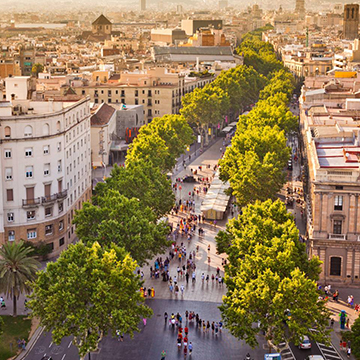 Spain's major cities, especially those favored by expats, set the urban living standards. Barcelona stands out as a city that feels alive 24/7. It’s a globally recognized Spanish metropolis that blends cosmopolitan living with beach access and world-famous architecture. Madrid, the capital, offers a different energy as Spain's political and business heart. It provides diverse career opportunities and cultural experiences.
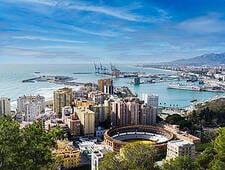
While these big cities drive ambition, there are more relaxed alternatives like Málaga and Valencia. Valencia emerges as the balanced option. It offers the urban amenities of major cities without the intensity. Málaga provides the sun-soaked alternative, combining urban convenience with the Costa del Sol lifestyle.
Employment Opportunities in Urban Spain
Major cities concentrate Spain's job opportunities. Services, technology, finance, and creative sectors cluster here. Multinational companies also often operate in English. This makes urban Spain especially accessible for international professionals.
Spanish corporate culture, even in major cities, prioritizes work-life balance. It is a refreshing change from many global business centers.
Life in Spanish Cities
Infrastructure in Spanish cities enhances daily life. Public transport networks, high-speed trains, and international airports offer great mobility and connectivity.
Spanish cities also excel at walkability. Essential amenities remain easily accessible. Neighborhood markets, local shops, and services usually cluster within walking distance of residential areas.
Beyond daily conveniences, cities offer remarkable cultural richness. Active international communities coexist with vibrant local culture. This allows expats to enjoy familiar comforts and discover true Spanish traditions. Additionally, the year-round festivals, concerts, and cultural events keep city life engaging.
Rural Life in Spain
Small Towns and Countryside Areas in Spain
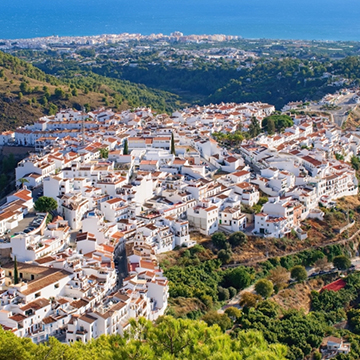 When Spanish rural life comes to mind, there's a distinctive way of life many imagine. Olive groves roll across Andalusian villages. Coastal towns buzz with life, while mountain villages offer peace. These places blend authenticity, heritage, and unhurried living perfectly.
Several examples showcase the best places to live in rural Spain. Casares stands as a stunning Andalusian village, perched dramatically on a hilltop. It boasts whitewashed houses, cobblestone streets, and that quintessentially laid-back Spanish atmosphere. Altea offers a different charm. It is a picturesque coastal village overlooking the Mediterranean. Moreover, it is recognized as one of the most beautiful towns in Spain.
Finestrat presents yet another option. It is a mountain village that bridges both dramatic mountain scenery and easy seaside access. This unique combination of landscapes makes it particularly appealing for those wanting variety.
Beyond their obvious beauty, Spanish villages offer distinct lifestyle advantages.
Employment in Rural Spain
Rural areas excel for specific sectors and career paths. Jobs in rural Spain for expats typically center around agriculture, tourism, and hospitality. For wine enthusiasts or eco-boutique entrepreneurs, these regions offer exceptional opportunities. Local employment exists in these traditional sectors alongside municipal and public service roles.
Remote work in the Spanish countryside is growing. Many professionals choose lower costs. They focus on enjoying life instead of climbing the career ladder.
Low Cost of Living in Rural Spain
Rural living delivers genuine affordability. Small towns and countryside areas offer comfortable living at a fraction of urban costs.
Local markets provide fresh produce and everyday essentials. They are easy to find and reasonably priced. Housing and utilities carry much lower price tags. This affordability is one of the primary reasons many choose rural Spanish life.
Rural Living Rhythms: What is Life Really Like in a Small Spanish Town?
Spain's rural landscapes move to their own rhythm. With smaller populations than major cities, community spirit in Spanish towns flourishes. Neighbors genuinely interact, and greeting strangers remains the pleasant norm.
Rural life unfolds more slowly and peacefully. Taking time becomes natural. Everything can wait, except for food. True to Spanish tradition, countryside communities respect set meal times, and these meals become social events meant for sharing.
Tapas culture thrives in rural areas. It builds strong community ties, which are essential for integrating into Spanish life. No rushing, no pressure. This atmosphere makes moving to rural Spain as a foreigner feel surprisingly welcoming.
Living in Spanish Cities vs the Countryside: What to Consider When Moving
Challenges of Living in Big Cities in Spain
Major Spanish cities offer abundant opportunities and greater access to services. However, the cost of living in Spanish cities can be higher, particularly in prime areas. Housing, groceries, and daily expenses often cost more in big cities like Barcelona and Madrid. But salaries typically reflect this reality.
Increased opportunities naturally attract more talent. While job markets remain robust and diverse, professionals benefit from developing competitive advantages. It is particularly true in popular sectors where networking and skills matter most.
Challenges of Rural Life in Spain
Life in a small Spanish village (pueblo) is beautiful and peaceful. But successful rural living requires careful planning. While this natural setting provides peace, transportation becomes a consideration. A car becomes essential for most daily needs.
Amenities and services in small Spanish towns operate on a different scale than in urban areas. Major hospitals and specialized facilities tend to be near cities. And, they offer a wider range of care options. Countryside areas maintain local healthcare facilities. However, accessing specialist services often means traveling to larger towns.
Similarly, school options and shopping choices remain fewer compared to the urban variety.
Lifestyle Differences in Spanish Cities vs Villages
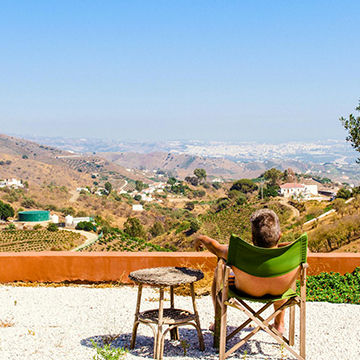 The fundamental differences boil down to pace, social dynamics, environment, and daily rhythms.
Major cities pulse with energy, hosting diverse communities and constant activity. The population skews young, multicultural, and offers the anonymity that comes with large crowds. It’s perfect for those seeking independence and variety.
Meanwhile, villages and small towns in Spain follow a more peaceful, predictable rhythm. Communities remain close-knit with fewer residents. People know each other, fostering a genuine sense of belonging that's harder to find in cities.
The benefits of urban life in Spain are plenty. There are a lot of opportunities and a rich cultural mix. Rural life offers different rewards, like cleaner air and less noise. Buying property in Spanish villages is also more affordable. This is especially true when compared to busy city areas.
Who Thrives Where?
Choosing between urban and rural Spain depends entirely on your life priorities. For some, that means career ambitions; for others, a peaceful retirement or a safe place to raise a family.
Career builders and young professionals find major cities irresistible for obvious reasons. These areas concentrate corporate headquarters, startups, technology firms, and multinational companies. Urban areas offer better networking, career growth, and varied job experiences.
Growing families usually prioritize factors that matter most for long-term stability. Rural Spain appeals to families wanting more space and safety. While school options may be few, the stability and peaceful surroundings often outweigh this. Cities, however, provide superior access to quality education.
Remote workers and retirees often discover their sweet spot in Spanish towns and villages. These locations deliver tranquility, cleaner environments, and wellness-focused living. Meanwhile, cities offer vibrant cultural scenes, diverse entertainment options, and broader service availability.
Your Spanish life begins with solid research and listing priorities. Set realistic expectations of your daily life and what matters the most to you. Whether you choose Spain’s bustling cities or peaceful villages, the right setting will shape not only where you live but how you live.


 EUR
EUR


