
Spain sees record-breaking tourism despite changing preferences. In 2025, the country welcomed nearly 96.8 million foreign visitors, the highest number ever recorded so far. But is Spain a popular tourist destination to attract this number of visitors? Yes, the country is regarded as one of the world’s top tourist destinations.
With Spain’s tourism record international visitors spent €134.7 billion in total, underlining the economic strength of the country’s tourism sector. This achievement clearly reflects the country’s global appeal and sets an exciting stage for 2026. Now let’s find answers to questions such as “Why is Spain a good tourist destination?”, “Is Spain a safe country to visit?” and “What percentage of Spain’s GDP is tourism?”.
Why Is Spain a Popular Tourist Destination?
Just like every other year, in 2025 people from all around the world were drawn to the top tourist destinations in Spain for the country’s vibrant culture, historic landmarks, sunny beaches, and world-class cuisine. All of these features, which are regarded as the reasons why Spain is a popular holiday destination, actually show us that the country creates a harmony of culture, climate, and accessibility at the same time.
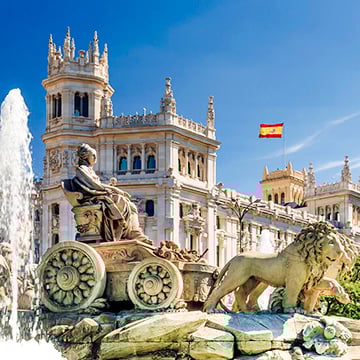 For instance, major tourist destinations in Spain, which are rich in history and modern energy, host a lively calendar of cultural festivals, world-class concerts, and international events throughout the year. This gives visitors countless reasons to visit here. From flamenco shows in Andalusia to the architectural wonders of Catalonia, the country offers a unique experience for every traveler. While Madrid offers grand boulevards and world-class museums, Barcelona showcases Gaudí’s architectural masterpieces.
The country also offers a wide range of landscapes. The beaches in the Balearic and Canary Islands are perfect for those seeking relaxation, water sports, and vibrant coastal life. Meanwhile, inland, rolling hills, lush vineyards, and sprawling national parks invite outdoor enthusiasts to explore hiking trails, scenic drives, and wildlife encounters.
Moreover, the climate is also another important factor behind overtourism in Spain. The Mediterranean coast enjoys warm summers and mild winters, while southern regions get sunshine almost all year. Even northern areas like San Sebastián have a temperate climate, attracting tourists during the quieter months.
Lastly, the main tourist destinations in Spain offer easily accessible airports such as Madrid-Barajas, Barcelona-El Prat, and Palma de Mallorca. These airports provide direct connections to cities across Europe, North America, and the Middle East. High-speed trains and modern highways further make regional travel straightforward and stress-free, encouraging visitors to explore multiple destinations in one trip.
Overall, with its beautiful landscapes, lively cities, rich culture, and easy accessibility, we can say that the country offers an unforgettable experience that keeps visitors coming back year after year. But, which countries affect Spain’s overtourism exactly? Let’s take a closer look at Spain’s tourist arrivals by country in the next section below.
Country of Origin for Tourists to Spain & Tourism’s Impact on the Economy
 Tourism in Spain thrives thanks to strong demand from key international markets. In 2025, tourists in Spain by country included:
- United Kingdom (contributed approximately 19 million visitors)
- France (accounted for 12.7 million visitors)
- Germany (added around 12 million visitors)
These facts directly reflect Spain’s long-standing cultural and economic ties with Europe, as well as the country’s enduring appeal for sun, culture, and leisure.
Tourism also remains a vital part of Spain’s economy. In 2025, Spain’s tourism GDP percentage reached 12.6%, showing that it is a major driver of national output. With 96.8 million foreign visitors spending a total of €134.7 billion in Spain’s tourist destinations, this sector directly fuels a wide range of industries. Restaurants, hotels, transport, retail, and entertainment benefit from this influx, creating jobs and supporting local businesses across different parts of the country.
Beyond its contribution to Spain’s GDP from tourism, the sector also affects construction and real estate, as demand rises for holiday homes, rental properties, and investment opportunities. This cycle demonstrates how international tourism generates immediate revenue and strengthens Spain’s economy. It promotes regional development, and reinforces the country’s position as one of the world’s top travel destinations.
Best Tourist Destinations in Spain Which Supported the Interest in 2025
Last year, several regions attracted the highest number of visitors across the country. Below, you can find the most popular tourist destinations in Spain that drew the most attention:
Catalonia
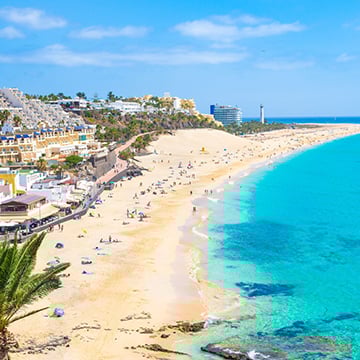 Home to one of the lesser-known places to visit in Spain such as Tarragona and one of the most popular destinations like Barcelona, Catalonia welcomed 20.1 million visitors in 2025. The main reason behind this was the fact that the region offers urban culture, iconic architecture, and beaches that appeal to a wide variety of travelers.
Balearic Islands
As one of Spain’s popular tourist destinations, the Balearic Islands continued to attract sun-seekers with their beaches and vibrant nightlife, welcoming around 19 million visitors last year.
Canary Islands
With around 15.7 million visitors, Tenerife, Gran Canaria, and Lanzarote in the Canary Islands drew travelers with their unique volcanic landscapes and warm climate, and the region also remained popular beyond the summer months.
Andalusia
Andalusia’s historic cities like Seville, Córdoba, and Granada attracted the attention of visitors with their rich heritage and lively traditions. In 2025, approximately 37.9 million travelers visited this region, marking one of the best years for tourism in its history.
Madrid
As Madrid remains a hub for art, culture, and shopping, last year it was also a major urban destination that drew attention among international tourists in Spain, welcoming around 11.2 million visitors in 2025.
Tourism Projections for 2026 and Beyond: Challenges and New Opportunities
Spain’s record-breaking performance in 2025 has set the stage for another exciting year ahead. Experts predict that visitor numbers could surpass 100 million this year, marking yet another historic milestone for the country.
 The more tourists are expected to visit the country, the more they are also expected to spend, and this creates new opportunities for those looking to enter Spain’s real estate market in 2026. Longer stays and higher daily expenditures may push total revenue beyond €145 billion, which is expected to strengthen Spain’s economy and real estate market. Therefore, if you buy a home in Spain now, you can translate this growth into steady demand for rental properties, holiday homes, and investment opportunities.
On the other hand, while rapid tourism growth brings opportunities, it also brings some challenges. Popular areas may face overcrowding, especially historic centers with narrow streets. As a result, increased short-term rental demand can affect housing availability and local communities. However, Spain introduces new measures to combat overtourism in popular destinations, with cities like Barcelona encouraging travel to less crowded areas.
Overall, despite a few challenges, we can say that Spain faces widespread anti-tourism protests due to overtourism concerns and the results tend to remain positive. Policies focusing on sustainability and regional diversification make tourism growth more manageable.
So, if you want to make a sound real estate investment to benefit from the country’s tourism growth in 2026, you can get in touch with our team now to find properties that match your goals. As Spain Homes ® family, we will guide you with professional insights and market-driven expertise to maximize the investment potential.




 EUR
EUR


